
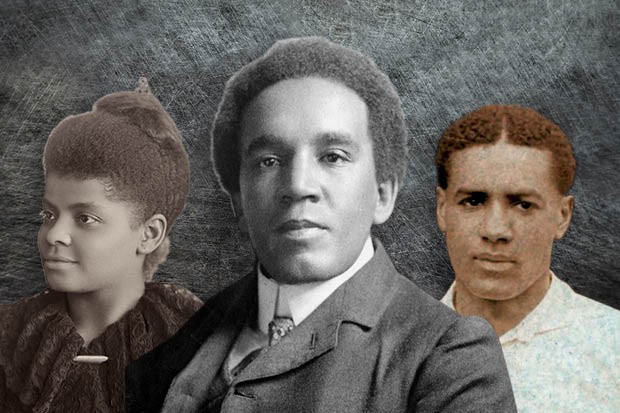
My latest read is Black Victorians. Hidden In History by Keshia N. Abraham & John Woolf.
Learning about Black Victorians I had never heard of, which should be taught in schools are part of British history. For example, violinist and composer George Augustus Polgreen Bridgetown who was employed by The Prince of Wales, the future King George IV, to play in his orchestra. John Edmondstone who lived in Scotland and worked for a professor at the University of Edinburgh. Edmondstone gave private taxidermy lessons and one of his students was Charles Darwin. Dr George Rice who worked at the Edinburgh Royal Infirmary under Sir Joseph Lister the pioneer of antiseptic treatment.
Extract from the book:
‘Certain groups are assigned values and those values are applied to all members of a given group; a link is established between physical and mental qualities which are seen to be unchanging and constant – and this perspective justifies aggressive behaviour or actions. Racism is therefore concerned with relationships of power, discrimination and oppression, serving political, social and economic functions. Racism is dynamic, multifaceted, historicall contingent, embedded in social relations and involves active discrimination, impacting on individuals in a way that turns ‘race’ into more than just a social construct but a lived experience.’
Eight key words which caught my attention from those two paragraphs:
power political
discrimination social
oppression economic
dynamic multifaceted
Powerful stuff that explains why Black history has tended to primarily focus on the enslavement of Black people and does not include other aspects of Black history and the contributions, creativity and intelligence of Black people.
Black people need to take the time and interest to educate ourselves, and our children, about Black history more broadly than the learning opportunities presented to us by the education system.
 Marcia Ore Consultancy